

If you are over the age of 50, you have likely noticed that your body doesn’t respond to food the way it used to. In your 20s or 30s, minor dietary tweaks were often enough to bounce back from a period of overindulgence. Today, lifestyle habits require a more thoughtful, nuanced approach.
As our bodies mature, our metabolism naturally slows, our hormone profiles shift, and our muscle mass requires more deliberate maintenance. Because of these changes, standard, highly restrictive diets can often backfire—leaving you feeling exhausted, stressed, and frustrated.
Adopting a low-carb lifestyle after 50 isn’t about extreme deprivation or cutting out entire food groups. Instead, it is about making smart, sustainable adjustments that lower inflammation, stabilize energy, and support healthy weight management for decades to come.
Why Changing Your Carbs Matters as You Age
Carbohydrates are a primary energy source, but the type and quantity your body needs change over time. For a mature metabolism, reducing processed carbohydrates offers distinct benefits:
- Improved Insulin Sensitivity: As we age, our cells naturally become more resistant to insulin, the hormone responsible for managing blood sugar. Reducing refined sugars helps prevent blood sugar spikes and crashes, keeping your energy stable throughout the day.
- Reduced Inflammation: High-sugar and highly processed carbohydrate diets can trigger systemic inflammation. Lowering your intake can help ease joint stiffness, support heart health, and improve cognitive clarity.
- Weight Management Without Starvation: Instead of cutting calories to the point of exhaustion, reducing carbohydrates naturally manages hunger hormones, making it easier to maintain a healthy weight without constant cravings.
The 5 Pillars of an Age-Smart Low-Carb Lifestyle
To get the maximum health benefits from a low-carb lifestyle while protecting your vitality, focus on these five foundational pillars.
1. Focus on Quality Over Total Elimination
You do not need to drop your carbohydrate intake to zero to see incredible health benefits. Instead, aim for a moderate low-carb framework (roughly 50 to 100 grams of total carbohydrates per day). Shift your focus away from white breads, pastas, and sugary baked goods. Instead, fill your plate with fiber-dense, nutrient-rich carbohydrates like:
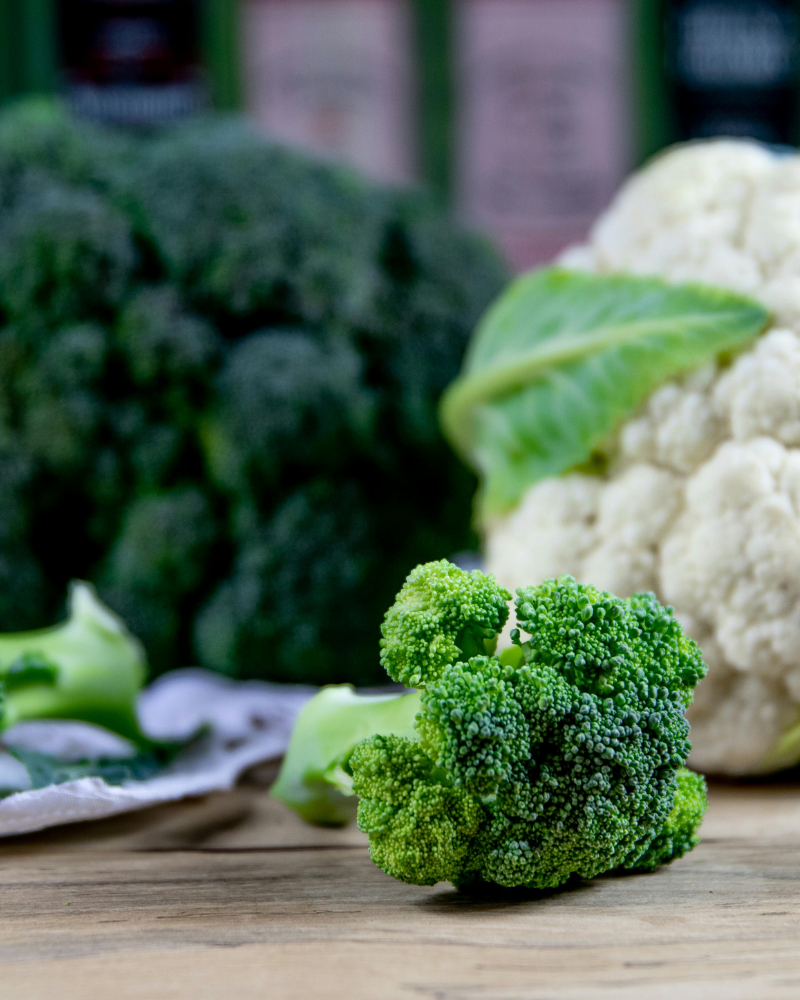
- Leafy greens (spinach, kale, Swiss chard)
- Cruciferous vegetables (broccoli, cauliflower, Brussels sprouts)
- Berries (blackberries, raspberries, blueberries) in moderation
2. Prioritize Protein to Protect Muscle
Protecting lean muscle tissue is one of the most critical aspects of healthy aging. Muscle mass keeps your metabolism functioning efficiently and protects your joints from injury. When you lower your carbohydrate intake, you must ensure you are eating enough high-quality protein to compensate. Build every meal around sources like:
- Eggs (an excellent source of protein and brain-healthy choline)
- Wild-caught fish and seafood (packed with anti-inflammatory omega-3 fatty acids)
- Poultry, lean beef, and pork
- Greek yogurt or cottage cheese (if you tolerate dairy well)

3. Choose Heart-Smart, Nutrient-Dense Fats
When you reduce carbohydrates, healthy fats become an essential source of long-lasting energy and satiety. Focus on fats that support cardiovascular health, cognitive function, and joint health. Make extra virgin olive oil, avocados, walnuts, almonds, flaxseeds, and wild salmon your primary choices.
4. Prioritize Fiber for Digestive and Heart Health
When reducing carbohydrates, it can be easy to accidentally cut out too much dietary fiber, which is vital for healthy aging. Fiber keeps your digestive system moving smoothly, supports a healthy gut microbiome, and plays a critical role in managing cholesterol levels to protect your heart.
Instead of getting fiber from grains, focus on low-glycemic, fiber-rich plant foods. This allows you to reap all the digestive benefits without spiking your blood sugar. Excellent low-carb fiber sources include:
- Chia seeds and flaxseeds (perfect for stirring into yogurt or smoothies)
- Avocados (a single avocado packs a massive 10 grams of fiber)
- Cruciferous vegetables like Brussels sprouts, broccoli, and cabbage
- Psyllium husk (an excellent supplement option if you struggle to meet your daily targets)
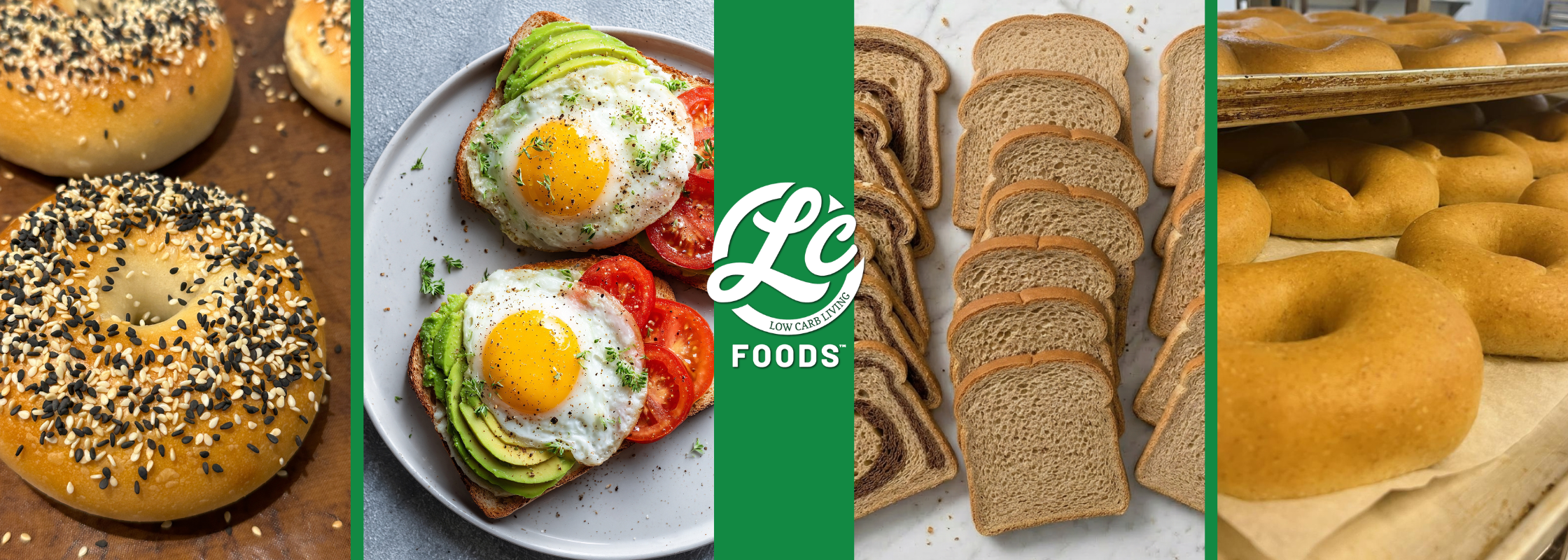
- LC Foods Bagels and Breads have a healthy dose of fiber and protein
5. Stay Hydrated and Mind Your Minerals
Transitioning to a whole-food, low-carb lifestyle naturally causes the body to shed excess water retention. While this reduces bloating, it also means your body flushes out essential minerals. To prevent mid-afternoon fatigue, leg cramps, or headaches, drink plenty of water and ensure you are getting adequate amounts of potassium, magnesium, and sodium through nutrient-rich foods like bone broth, nuts, and leafy greens.
A Sample Day on a Low-Carb Plate
Eating this way is colorful, satisfying, and relies entirely on whole, recognizable ingredients.

- Dinner: Baked salmon fillets served alongside a generous portion of roasted asparagus and cauliflower mash seasoned with garlic and a touch of butter.
Longevity Over Restrictions
Living a low-carb lifestyle after 50 is not about forcing your body into survival mode or chasing rapid fixes. It is about removing the empty, inflammatory sugars that drain your energy, and replacing them with the nutrient-dense foods your body needs to age vibrantly. Listen to your body, choose nourishment over restriction, and let your diet support your long-term health.
The information provided on this blog is for educational and informational purposes only and should not be construed as medical advice. Individual health needs vary greatly, especially when modifying your diet after the age of 50. Always consult with a qualified healthcare professional, physician, or registered dietitian before making significant changes to your diet, lifestyle, or exercise routine, particularly if you have pre-existing medical conditions or are taking prescription medications.