
When transitioning to a low-carb lifestyle, most people focus entirely on slashing carbs and loading up on fats like butter and avocado. But a few months in, many hit an invisible wall: weight loss stalls, energy dips, and intense cravings return.
If this sounds familiar, you don’t have a carb problem. You have a protein problem.
While cutting carbohydrates sets the stage for fat burning, prioritizing high-quality protein is what keeps your metabolism firing and your results sustainable. Here is why protein deserves the starring role on your low-carb plate.

1. It Protects Your Metabolic Engine
When you cut carbs, your body shifts to burning fat. However, it still requires a steady supply of glucose for essential cellular functions, which it creates via a natural process called gluconeogenesis. If you don’t eat enough dietary protein to fuel this process, your body will break down your own lean muscle tissue instead.
Muscle is your metabolic engine, burning calories even at rest. Consuming adequate protein acts as an absolute shield for your muscles, keeping your baseline metabolism running hot as you lose weight.
2. You Burn Calories Just by Digesting It
Not all calories are processed equally. The Thermic Effect of Food (TEF) is the energy your body expends just to digest and metabolize what you eat, and protein is the undisputed champion:
- Protein has a massive TEF of 20% to 30% (meaning if you eat 100 calories of chicken, your body immediately burns 20 to 30 calories just breaking it down).
- Carbohydrates lag behind at 5% to 15%.
- Dietary Fats sit at the bottom at a mere 0% to 3%.
A protein-rich diet gives you a natural metabolic advantage around the clock.

3. It Crushes the “Hunger Monster”
The number one reason people quit a low-carb lifestyle is hunger. While dietary fat provides long-term energy, protein triggers true physical fullness.
Protein works directly on your chemical pathways to suppress ghrelin (the hunger hormone) while boosting peptide YY (PYY) and GLP-1 (the fullness hormones). If you are mindlessly searching the pantry two hours after dinner, your last meal lacked a strong protein anchor.
4. It Defends Against the “Fat Bomb” Trap
In the low-carb world, it is incredibly easy to overconsume calories by relying too heavily on hyper-dense fats like heavy cream, butter, and processed snacks.
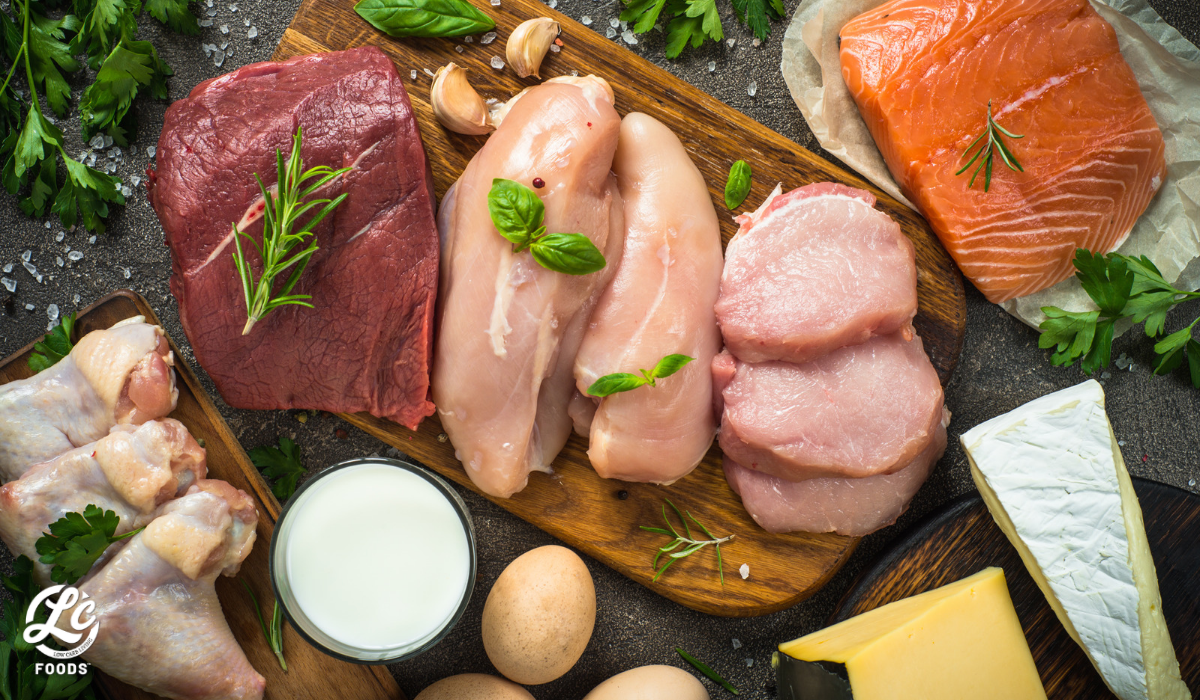
Shifting your focus to whole proteins—like eggs, beef, fish, and poultry—creates a natural volumetric buffer. It fills you up so thoroughly that you naturally crowd out excessive fat intake without ever having to count every drop of oil.
The Low-Carb Protein Blueprint
To keep your metabolism thriving, aim for a baseline target of 1.2 to 2.0 grams of protein per kilogram of body weight (roughly 0.6 to 0.9 grams per pound) every day. Cut the carbs, use healthy fats for flavor, but let protein be the foundational hero that carries you to your goals.